
What Lenders Really Analyse Before Approving
an Acquisition Loan

Share the News
Australia’s ageing business owner wave is accelerating, and with it comes a surge in SME acquisition opportunities. But while motivated sellers and attractive valuations create fertile ground for buyers, one reality remains unchanged:
Lenders Need Confidence In The Transaction.
In Part 1, we explored the demographic forces driving unprecedented businessforsale activity. In this second instalment, we shift focus to the other side of the table — the lenders, and the increasingly rigorous standards they apply before approving acquisition finance.
For buyers, understanding how lenders think is not optional. It is the difference between a funded deal and a missed opportunity.
🏦 Why Lenders Scrutinise Acquisition Deals More Deeply Than Ever
When a buyer seeks finance to acquire an existing business, lenders face a unique challenge:
They are not just assessing the borrower — they are assessing the business being purchased.
This dualrisk assessment means lenders dig far deeper than they would for a standard working capital loan or equipment finance facility.
From the document you provided, lenders already expect:
- 3 years of financial statements
- Adjusted EBITDA analysis
- Customer diversification
- Working capital requirements
- Buyer experience and integration plan
- A strong DSCR (>1.25x) “A strong DSCR (typically >1.25x) is critical.”
- A well put together 2 year forecast (something Broker.com.au has experience and skill in building)
But in practice, lenders go even further.
Below is what they really analyse — and what separates approved deals from declined ones.
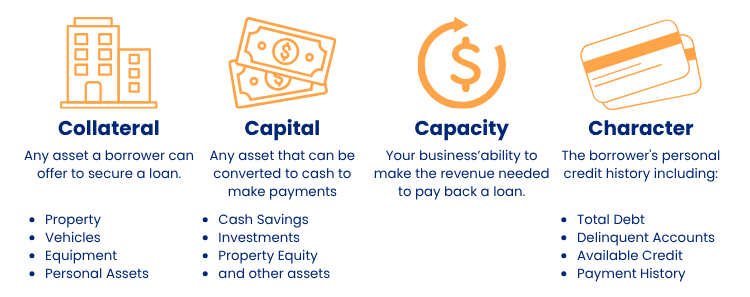
🔍 1. The 4 C’s of Lending — Applied Specifically to Business Acquisitions
The 4 C’s (Character, Capacity, Capital, Collateral) are the backbone of credit assessment. But in acquisition finance, each C takes on a more nuanced meaning.
1. Character — The Borrower’s Credibility and Capability
Lenders want to know:
- Does the buyer have relevant industry experience?
- Have they successfully managed teams, budgets, or operations before?
- Do they have a track record of financial responsibility?
- Are there any red flags in credit history or legal standing?
In acquisition lending, character is often the first filter. A strong business can still be declined if the lender doubts the buyer’s ability to run it.
This aligns with your reference: “Business experience… Borrowers with significant experience in their industry are seen as lower risk.”
2. Capacity — The Business’s Ability to Service Debt
Capacity is where most acquisition deals succeed or fail.
Lenders analyse:
- Historical EBITDA vs. sustainable EBITDA
- Normalised addbacks (removing owner perks, oneoffs, etc.)
- Revenue concentration risk
- Customer churn
- Seasonality
- Working capital cycles
- Future cash flow under new ownership
This is where a 2year financial forecast becomes essential (more on this shortly).
3. Capital — The Buyer’s Skin in the Game
- A meaningful equity contribution
- Personal investment or savings
- Ability to absorb shortterm shocks
- Evidence of financial discipline
In acquisition finance, capital is not just about money — it’s about commitment.
4. Collateral — Security to Support the Loan
- Residential or commercial property
- Business assets
- Debtors/inventory
- Director guarantees
- Vendor finance subordination
- By product/service line
- By customer segment
- By location or channel
- With assumptions clearly justified
- Historical vs. projected
- Impact of buyer changes
- Supplier contract assumptions
- Normalised wages
- Owner replacement salary
- Rent, utilities, insurance
- Marketing and growth spend
- Debtor days
- Creditor days
- Inventory cycles
- Cash conversion cycle
- Replacement capex
- Growth capex
- Equipment finance opportunities
- Interest rate assumptions
- Amortisation schedule
- DSCR under base, upside, downside cases
- Training period
- Earnout or vendor finance terms
- Impact on cash flow
- Rebuilds financials
- Normalises EBITDA
- Tests sensitivities
- Structures debt intelligently
- Prepares a lenderready credit memo
- Understand how lenders assess acquisition risk
- Present a professional, detailed 2year financial model
- Demonstrate strength across the 4 C’s
- Work with advisors who know how to structure deals
- Build a compelling investment case
- How to negotiate with sellers
- How to structure earnouts and vendor finance safely
- How to avoid overpaying for goodwill
- How to integrate a newly acquired business in the first 100 days
